

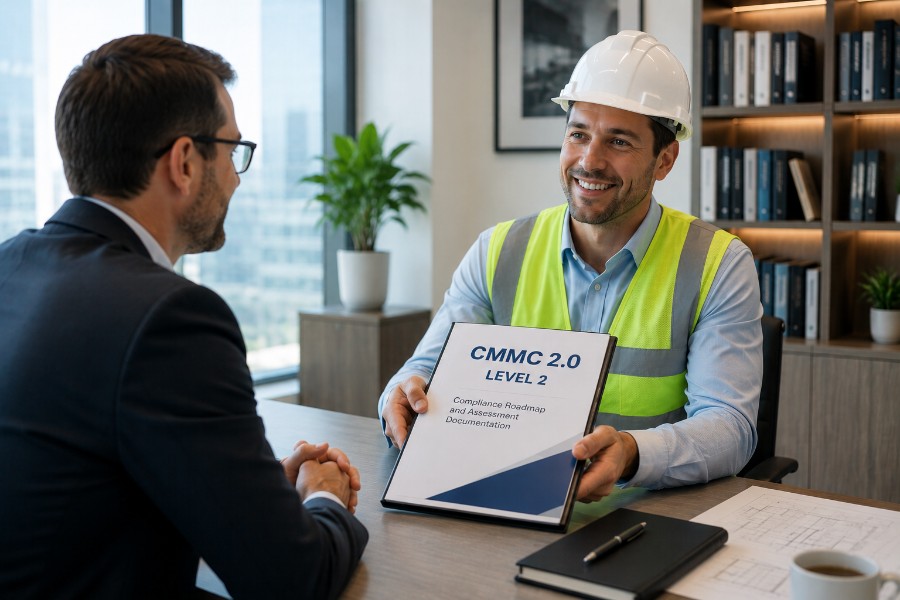
Security questionnaires, compliance certifications, and SOC 2 reports have become standard components of vendor risk management programs. While these tools provide useful information, they often fail to answer a critical question:
How would this vendor perform during an actual security incident?
Organizations increasingly depend on third parties for critical business operations, cloud infrastructure, software development, and data processing. As a result, vendor security weaknesses can quickly become organizational risks.
The Growing Third-Party Attack Surface
Modern businesses rely on dozens—sometimes hundreds—of vendors.
These relationships often involve:
- Sensitive customer data
- Financial information
- Intellectual property
- Internal systems access
- Critical operational dependencies
A weakness within a single vendor can create downstream consequences for every organization connected to them.
Recent breaches have demonstrated how attackers increasingly target supply chains as an efficient path into larger environments.
Why Traditional Assessments Fall Short
Most vendor reviews focus heavily on documentation.
Organizations commonly evaluate:
- Security questionnaires
- SOC 2 reports
- ISO certifications
- Compliance attestations
- Policy documentation
While these materials are useful, they rarely provide insight into operational effectiveness during a real-world attack.
For example, a vendor may possess strong policies but still struggle with detection, containment, or recovery when an incident occurs.
Questions Organizations Rarely Ask
Many vendor assessments overlook important operational capabilities.
Consider asking:
- How quickly can the vendor detect an intrusion?
- How often are backups tested?
- Does the vendor conduct penetration testing?
- How are privileged accounts managed?
- What is their ransomware recovery process?
- Have they performed incident response exercises?
These questions often reveal more about security maturity than compliance documents alone.
Evaluating Resilience, Not Just Compliance
Compliance demonstrates alignment with standards. Resilience demonstrates the ability to withstand disruption.
Organizations should evaluate vendors across several dimensions:
Governance
- Security leadership involvement
- Risk management processes
- Policy enforcement
Technical Controls
- MFA deployment
- Endpoint protection
- Vulnerability management
- Logging and monitoring
Operational Readiness
- Incident response capabilities
- Backup validation
- Security testing programs
- Recovery planning
Together, these factors provide a more complete view of risk.
Continuous Monitoring Matters
Vendor security is not static.
A vendor that appeared secure twelve months ago may face new risks today due to:
- Infrastructure changes
- Personnel turnover
- Acquisitions
- Emerging threats
- New technology adoption
Continuous monitoring helps organizations identify changes before they become significant exposures.
This may include:
- External attack surface monitoring
- Threat intelligence
- Security rating services
- Periodic reassessments
The goal is to maintain visibility throughout the vendor lifecycle.
Building a Stronger Vendor Risk Program
Mature vendor risk programs typically include:
- Risk-based vendor classification
- Security due diligence reviews
- Contractual security requirements
- Ongoing monitoring
- Incident notification obligations
- Periodic reassessments
Higher-risk vendors should receive deeper scrutiny than low-risk suppliers.
Not every vendor requires the same level of oversight.
Final Thoughts
The biggest vendor risks often exist beyond questionnaires and compliance reports.
Organizations that evaluate operational readiness, incident response capabilities, and security resilience gain a more realistic understanding of third-party risk. As supply chain attacks continue to increase, vendor assessments must evolve beyond documentation reviews and focus on how security performs under real-world conditions.